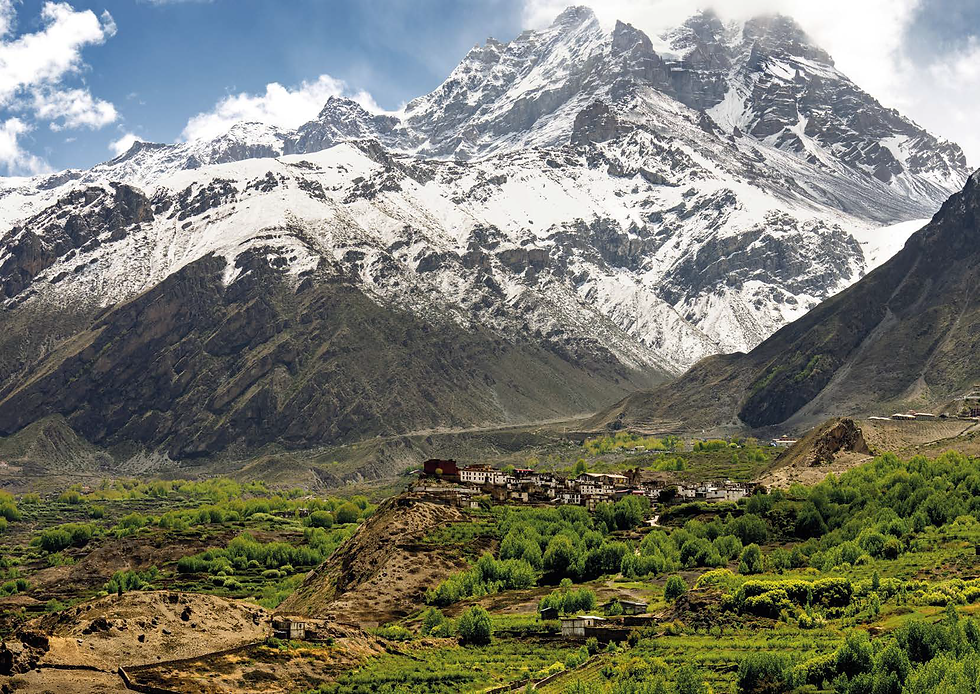


There are cities where time moves forward, where new neighbourhoods replace old settlements, where skylines rise in places where memory once stood. And then there are cities where time itself comes to a standstill, where time settles, folding centuries into dense layers of history.
In South Asia, some urban spaces predate the idea of nations so completely that modern borders feel like temporary arrangements. These cities were alive before flags, before passports, before the need to explain who they belonged to. They weren’t built to serve as capitals, trade-hubs or tourist hotspots, they were built to endure the passage of time through rituals, markets, rivers, courtyards and stories that refuse to leave.
They have survived empires, invasions, natural disasters and ideologies; not because they resisted change, but because they absorbed it. To walk through them is not to travel back in time, but to walk through time - layer by layer, breath by breath.
VARANASI

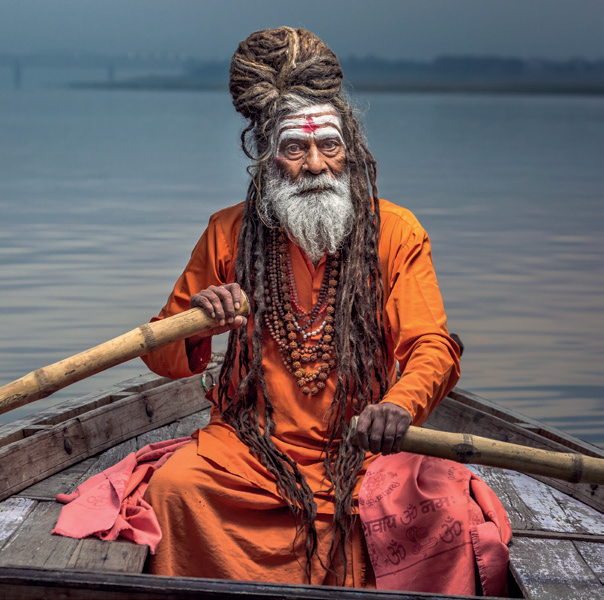

Varanasi awakens at the river. Before the sun rises, the ghats are already in motion. Wood is stacked carefully near the Manikarnika Ghat, each log chosen with practiced efficiency. A priest murmurs instructions to a family whose grief has not yet settled into acceptance. A few steps away, a boy squats by the river, brushing his teeth with his finger, watching the flames as if they are ordinary. As the smoke curls upward in a slow spiral, a boatman silently steers through water that has carried traders, conquerors, pilgrims, saints and poets long before India was India.
The steps leading to the river are polished by millennia of bare feet. The smell of incense blends with flowers, with fried lentils and river mud. The Ganges does not separate sacred from mundane. It carries both.
Behind the riverfront spectacle lies the true city: a labyrinth of narrow alleys. Temples rise without announcement, shrines take cover behind shops that sell spices, bangles, tea and silk. Here, a man selling sweets uses the same spot his father did. A cow may block your path but it is neither a nuisance nor a spectacle, it’s just another citizen. Varanasi understands one thing clearly: everything ends, therefore everything matters.
PATAN


Patan, also known as Lalitpur, introduces itself not through spectacle, but through craftsmanship and detail. Its stone streets open unexpectedly into quiet courtyards, where metalworkers hammer bronze into exquisite shape and sculptors practice their woodcraft with unhurried care. A statue emerging from the city could be destined for a temple in Kathmandu, a home shrine in New York or a monastery in Bhutan, yet the technique remains unchanged. In Patan, artisans still shape the present using the past.
Durbar Square is the city’s centrepiece. The Krishna Mandir, built entirely of stone without a single supporting timber, leans slightly with age, as if bowing to centuries of devotion. Around it, courtyards host daily life: women spinning prayer wheels before hanging laundry, children chasing one another past structures older than their parents.
What gives the city its magic is continuity, not preservation. Earthquakes have battered it. Fires have scarred it. Yet the city has always returned, not as a museum, but as a living place, where tradition and necessity coexist.
MULTAN

Multan rises from the heat like a memory that refuses to fade. One of the oldest inhabited places in South and Central Asia, it sits in the Punjab plains with a story told in domes and a skyline dotted with turquoise and green shrines. The Shrine of Bahauddin Zakariya stands firm, its brickwork heavy, grounded, its courtyard filled with hushed prayers and pigeons scattering at sudden movement. Nearby, the Shah Rukn-e-Alam mausoleum looms larger than expected. It has watched the city change names, rulers, languages but has outlived each one of it.
The city has been conquered repeatedly; by Persians, Mughals, Sikhs and the British; and every invasion left an imprint without erasing the old. Sufism softened what power hardened. Poetry filled the cracks left by politics. Even today, devotion in Multan is communal, porous and open-ended. People come not just to ask for blessings, but to sit, to wait, to belong to something older than their mortal experience.
The bazaars are dense and alive. Spices hang in sacks. Blue pottery glints from shelves. A calligrapher bends over his work, inscribing verses with deliberate calm. An unusual number of mystics and saints have walked through the dusty streets. Multan teaches you that survival is not always loud.
Sometimes it is quiet persistence. It is best summed up in the lines recited by a local poet beneath the Shah Rukn-e-Alam dome: “The city has been conquered many times. We just keep speaking.”
ANURADHAPURA


Anuradhapura is vast but never overwhelming. The city stretches horizontally, giving space to stupas that rise like white moons against the sky. Ruwanwelisaya gleams in the distance as pilgrims move around it in unhurried loops. The Jetavanaramaya, once among the tallest structures in the ancient world, stands with gentle authority.
Between monuments, life flows quietly. A monk cycles past ruins. A
family enjoys a quiet picnic. Nothing here demands attention, instead it invites contemplation. At the heart, stands the Sri Maha Bodhi, grown from a sapling of the original Bodhi tree under which the Buddha attained enlightenment. Pilgrims approach it with quiet care, kneeling to leave flowers and lamps.

Anuradhapura was a capital city for over 1,300 years, long before modern Sri Lanka existed yet it doesn’t exhibit the pompousness and grandeur capital cities are known for. Its complex irrigation system had massive tanks and canals that supplied water to the ancient kingdom, some still function today. The Thuparamaya dagoba contains the oldest recorded relic of Buddha’s collarbone in Sri Lanka. But Anuradhapura chose a different relationship with history. Instead of bragging about the past, it stepped aside and let it remain. The result is a city where emptiness is intentional and where silence is respected.